

During the edge sealing process, issues with bonding strength often arise, and the core problem usually lies in controlling the adhesive application. I'm Confay Im. Today, we won't delve into complexity—just focus on this one key point.
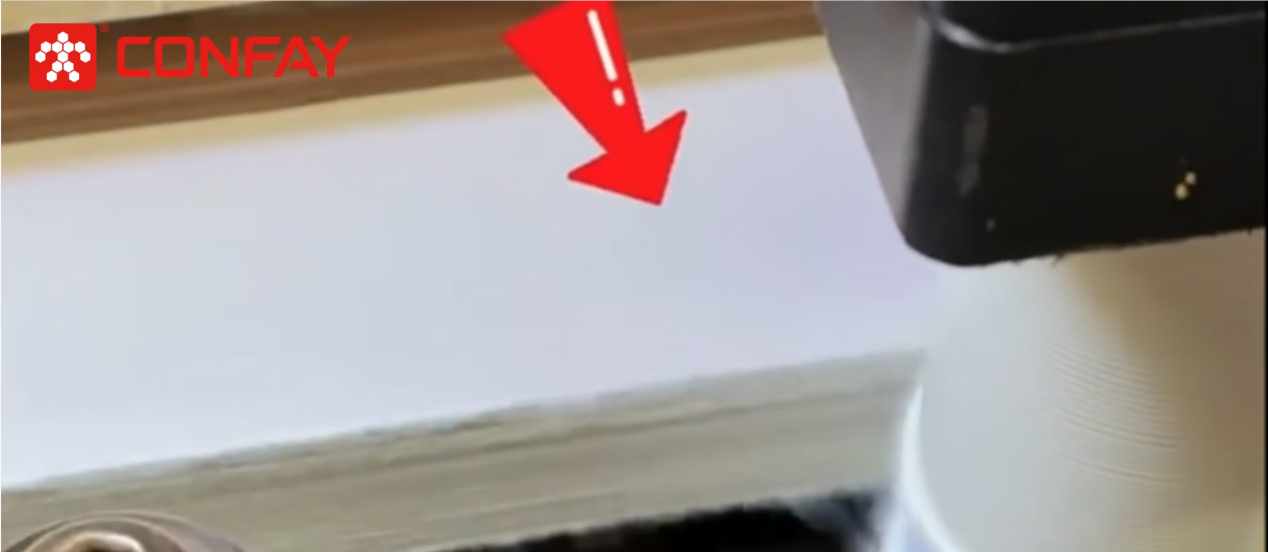
Insufficient adhesive application results in inadequate bonding strength, making edge sealing prone to detachment. Excessive adhesive leads to overflow and overly thick glue lines, complicating subsequent cleanup.
So, for materials with different densities and structural characteristics, it is necessary to flexibly adjust the amount of glue applied. For materials with loose texture and many pores, the amount of glue applied should be appropriately increased to allow the glue to fully penetrate the pores and enhance adhesion.
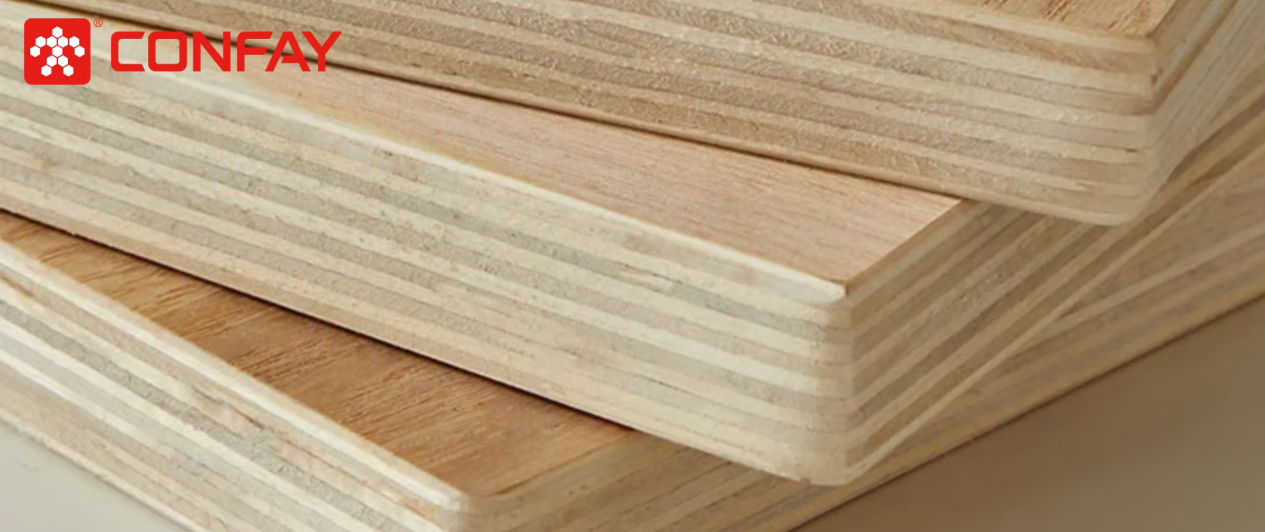
On the contrary, materials with dense structures have fewer surface pores, making it difficult for glue to penetrate. Therefore, the amount of glue applied should be reduced accordingly to avoid accumulation and overflow.
Have you mastered this technique? The amount of glue applied is not a fixed value, but rather based on the material's "cutting and gluing". Confay's PUR hot melt adhesive has a wide adaptability, and with the correct amount of glue applied, the edge sealing strength is immediately improved.
Dear bosses, have you adjusted the glue amount correctly? I am Confay Im. Let's talk about the types of materials you commonly use in the comment section, and I'll give you advice on the amount of glue to apply. Like and subscribe for more practical edge banding techniques.
