

In the woodworking and furniture manufacturing industry, PUR edge banding adhesive has become one of the preferred solutions for achieving seamless, durable, and moisture-resistant edge bonding. However, many factories focus heavily on the quality of the adhesive itself while overlooking one critical factor that directly affects bonding performance: glue temperature.
At Confay Adhesive Technology (Guangdong) Co., Ltd., we often help customers solve edge banding issues that are not caused by the adhesive formula, but by incorrect operating temperatures during application.
So, how can you tell whether your PUR edge banding glue temperature is correct? Here is a practical guide for woodworking factories, panel furniture manufacturers, and edge banding machine operators.
Why PUR Glue Temperature Matters
PUR (Polyurethane Reactive) hot melt adhesive is highly sensitive to temperature during application. The correct temperature ensures:
Stable glue flow
Uniform coating on the board surface
Strong initial tack
Reliable long-term bonding
Better resistance to heat and moisture
If the glue temperature is too low or too high, the bonding quality can quickly deteriorate, leading to production defects, customer complaints, and material waste.
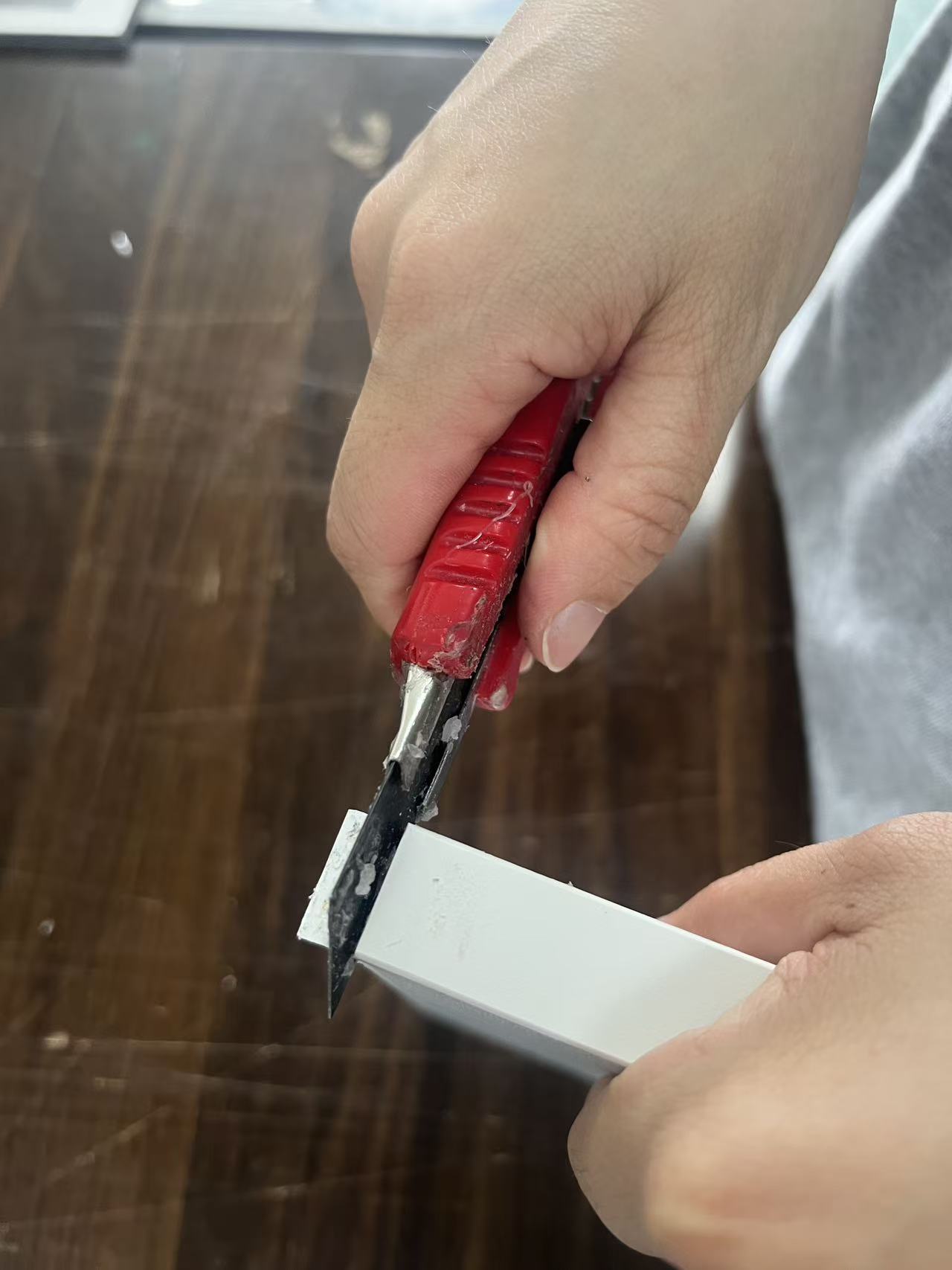
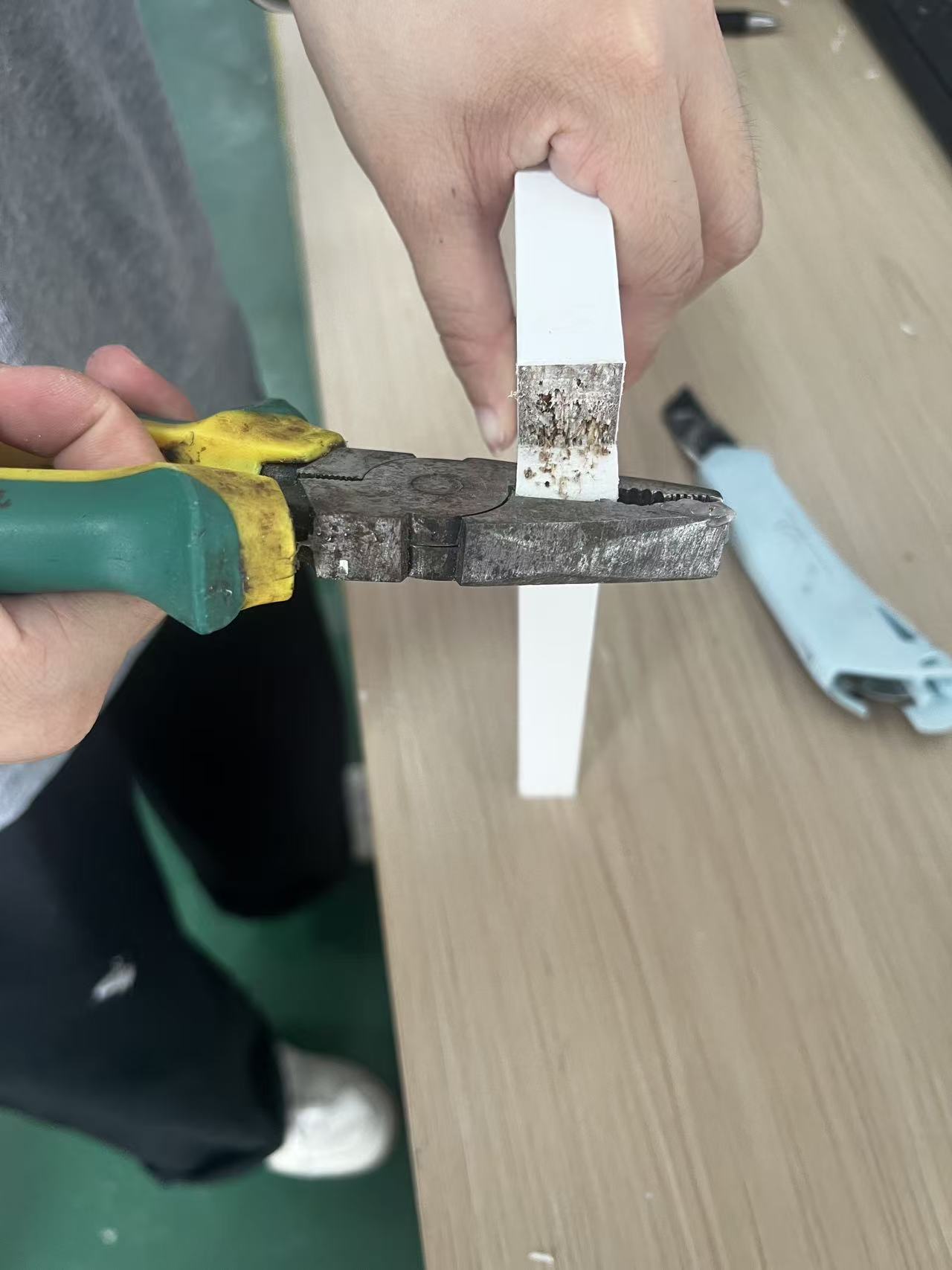
Signs Your PUR Glue Temperature Is Too Low
One of the most common mistakes in edge banding production is operating the PUR adhesive below the recommended temperature range.
When the temperature is too low:
The glue becomes thick and viscous
Flowability decreases
Glue spreading becomes uneven
Edge adhesion weakens
Surface leveling becomes poor
Simple Test Method
You can use a small stick or metal tool to gently lift the melted glue.
If you notice:
Difficult stringing
Short or broken glue threads
Sticky and stiff texture
Poor elasticity
then the glue temperature is likely too low.
Low-temperature PUR adhesive cannot fully wet the substrate surface, which directly affects the bonding strength between the edge banding tape and the board.
This may eventually lead to:
Edge lifting
Weak adhesion
Gaps on corners
Poor finishing appearance
Reduced durability
Signs Your PUR Glue Temperature Is Too High
Some operators believe higher temperature improves glue flow. In reality, overheating PUR adhesive can create even bigger problems.
When the glue temperature is too high:
The glue becomes excessively thin
Fluidity becomes overly fast
PUR reacts prematurely with moisture in the air
Curing speed accelerates too early
In severe cases, the adhesive may begin reacting before the edge banding process is completed.
This can result in:
False bonding
Weak internal adhesion
Brittle glue lines
Delamination after cooling
Reduced heat resistance
Visual Observation
If the glue appears:
Watery
Overly runny
Lacking stable stringing
Foamy or bubbling
the operating temperature may already exceed the optimal range.
Overheating also shortens the usable working time of PUR adhesive and may increase carbonization inside the glue tank, affecting machine cleanliness and long-term equipment performance.
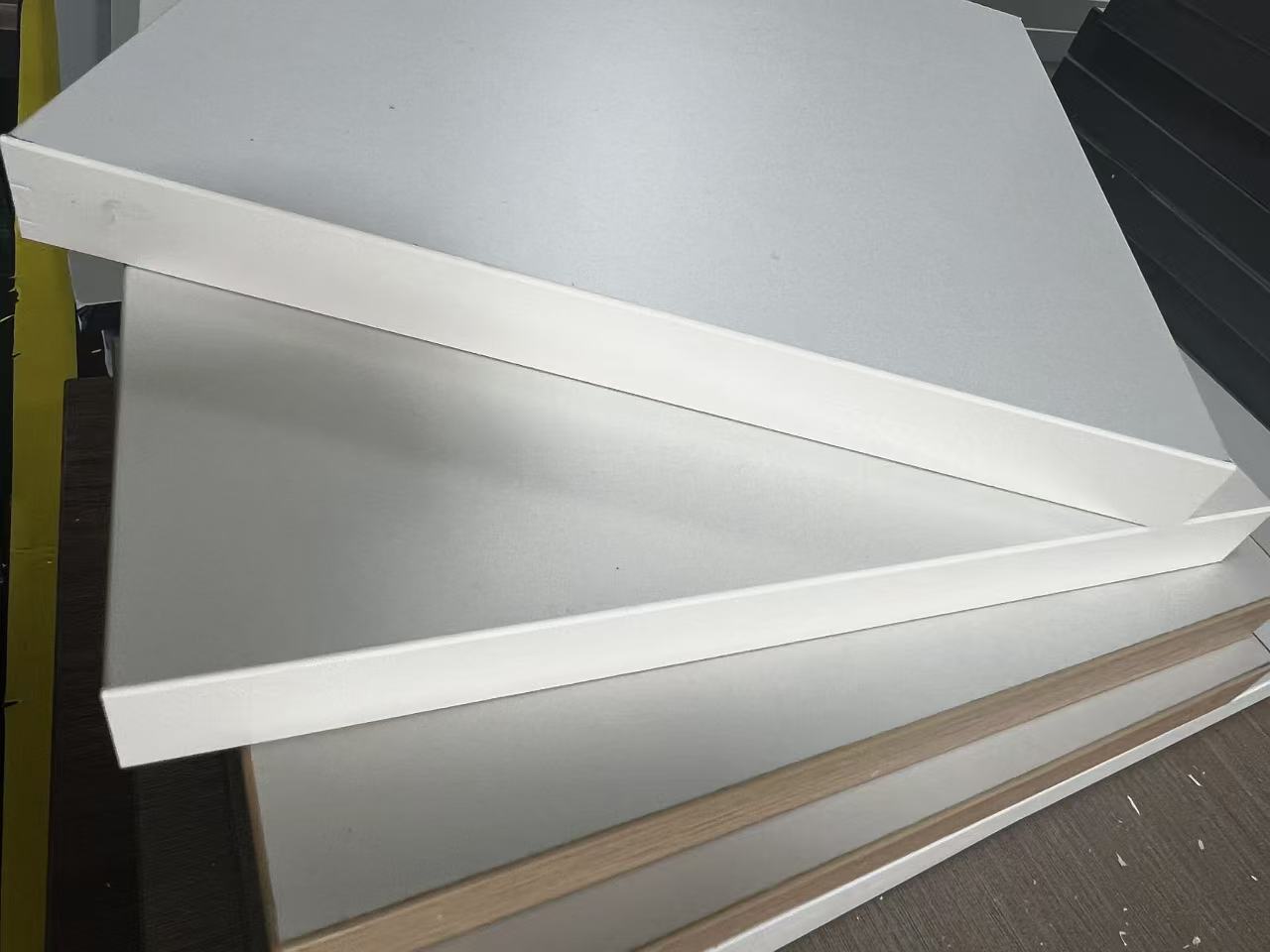
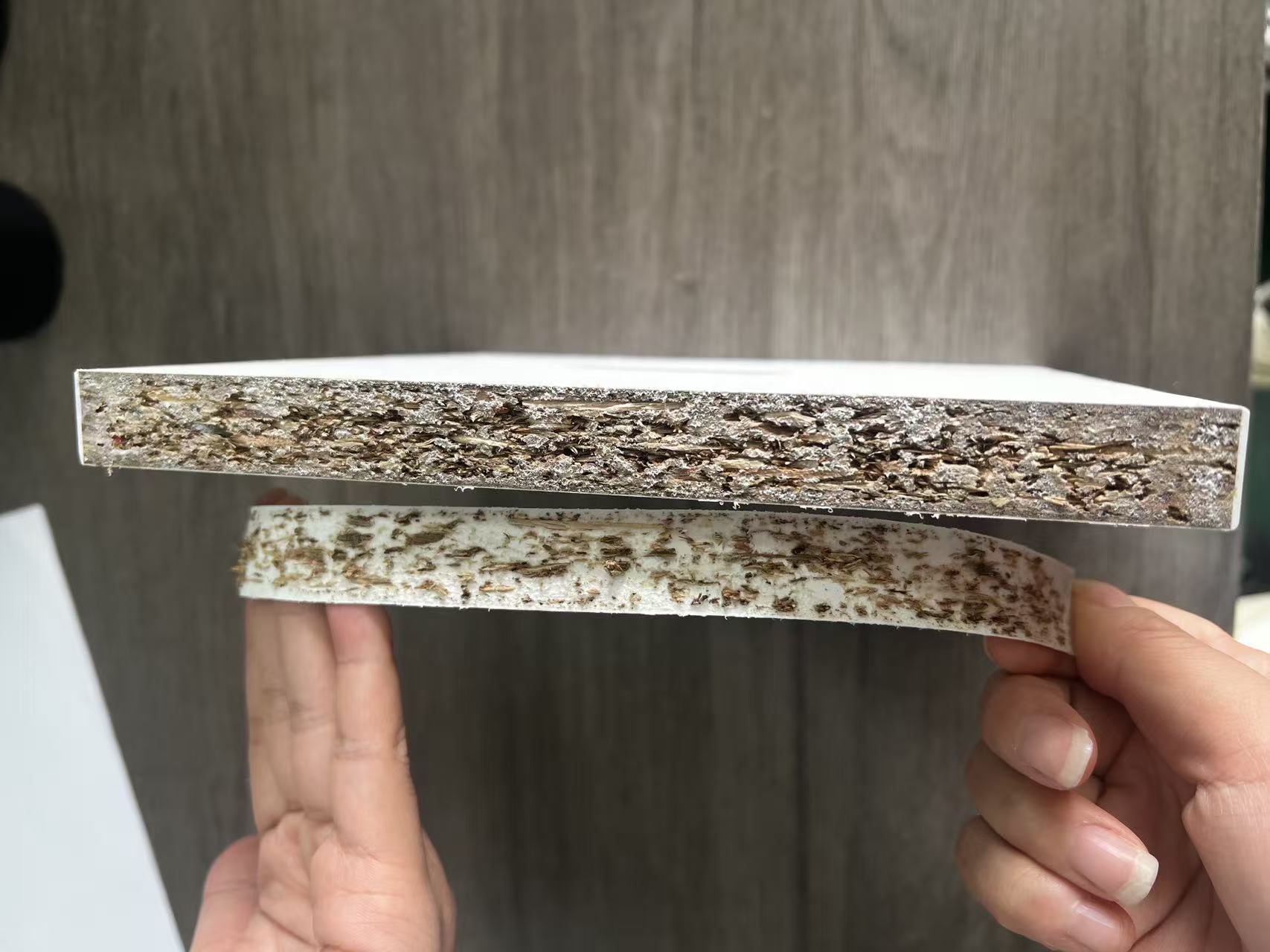
What Is the Ideal PUR Glue Condition?
The ideal PUR edge banding glue condition is balanced and stable.
A properly heated PUR adhesive should show:
Smooth and even flow
Stable stringing performance
Moderate viscosity
Consistent coating thickness
Strong wetting ability
When the glue reaches the correct temperature state, the edge banding process becomes more stable, and the final product quality improves significantly.
You will typically notice:
Cleaner edge sealing
Stronger adhesion
Better corner bonding
Reduced glue line visibility
Improved production consistency
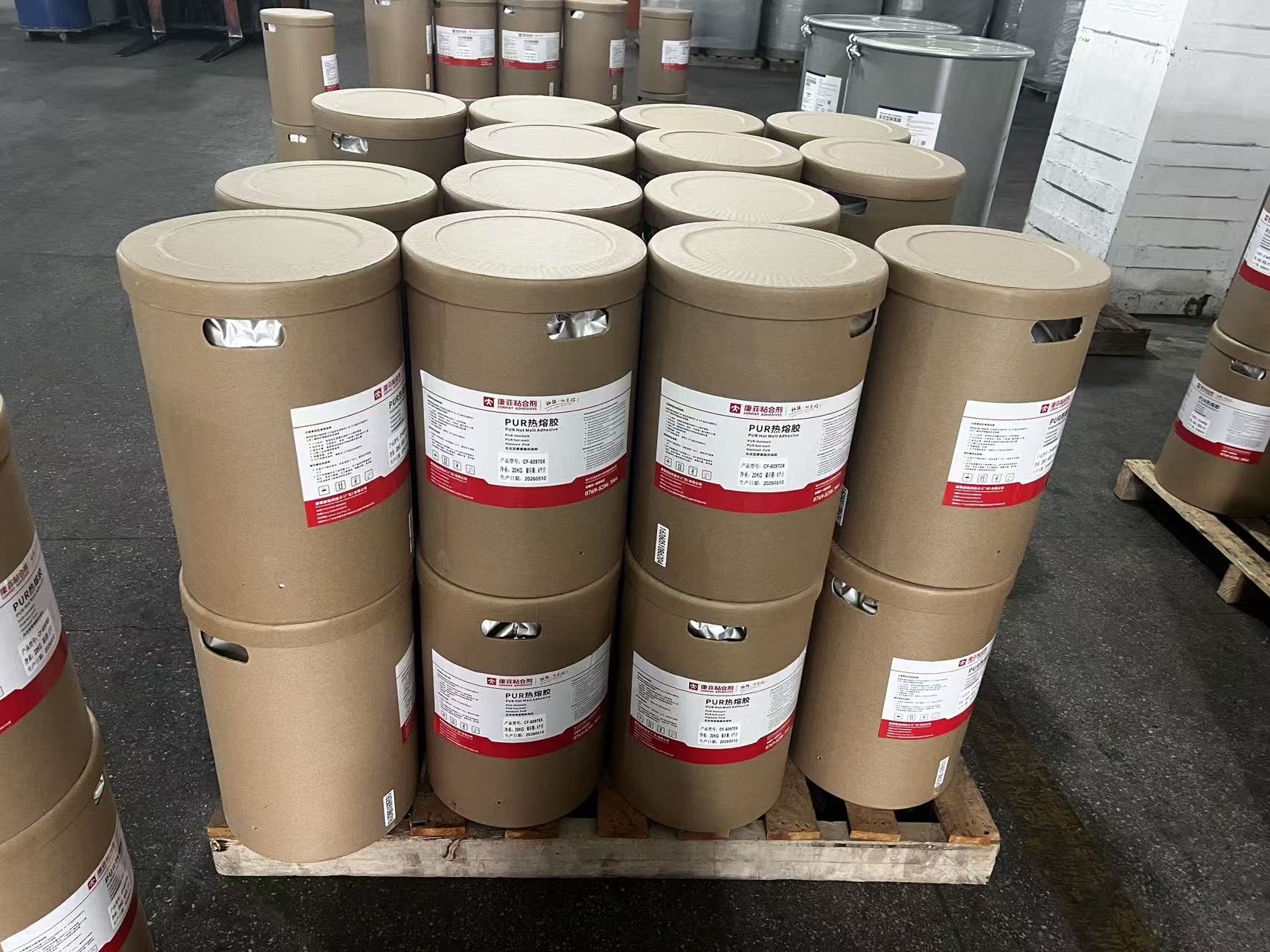
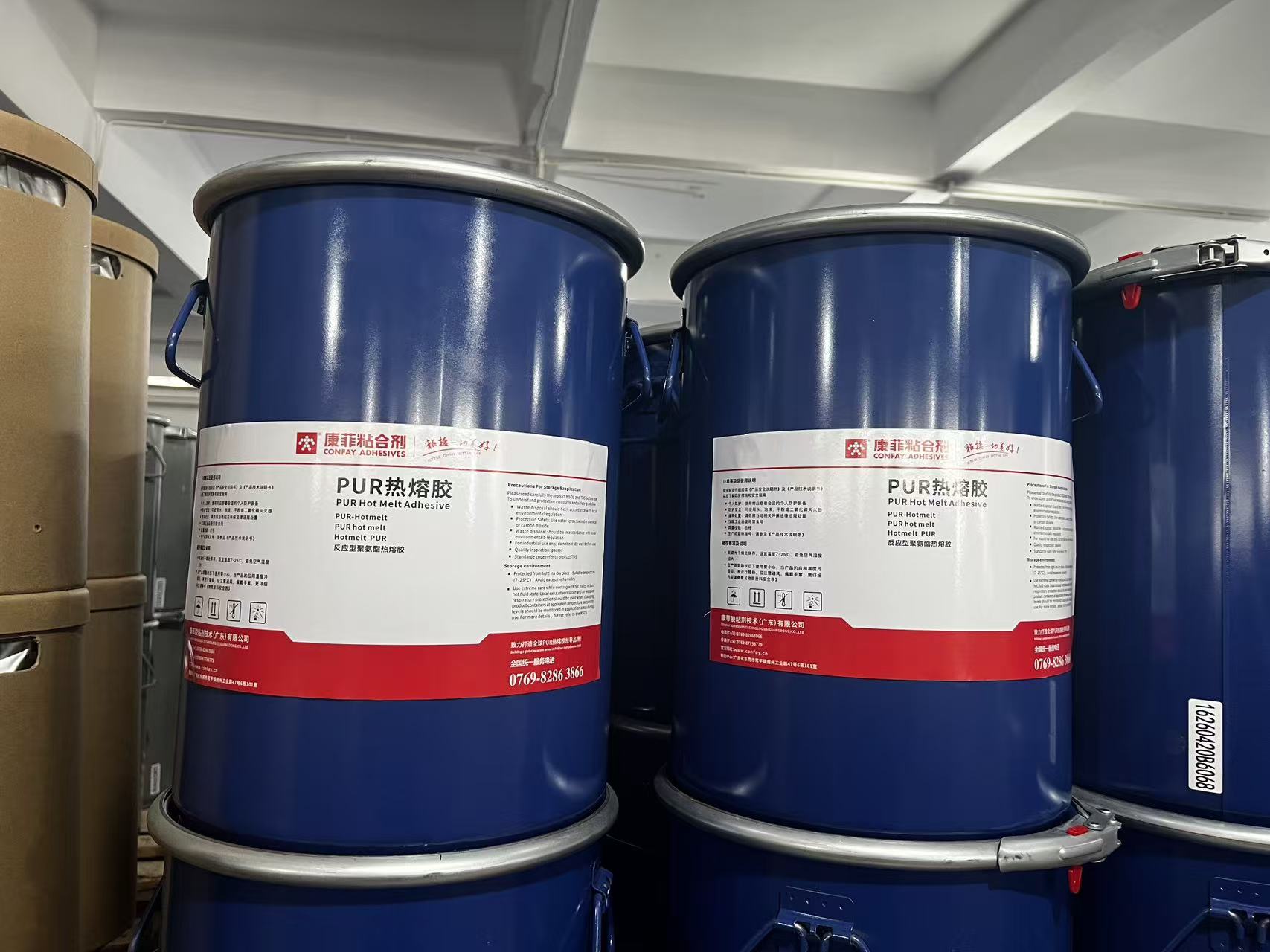
Recommended Temperature Management Tips
To maintain stable PUR edge banding performance, factories should establish standardized temperature control procedures.
1. Follow the Adhesive Supplier’s Recommended Temperature
Different PUR formulations may require slightly different operating temperatures. Always refer to the technical data provided by your adhesive supplier.
2. Preheat the Equipment Properly
Avoid rushing production before the glue tank reaches stable operating temperature. Insufficient preheating often causes unstable viscosity.
3. Monitor Temperature Continuously
Use accurate temperature sensors and regularly calibrate heating systems to avoid temperature fluctuation.
4. Check Glue Condition During Production
Operators should regularly observe glue flow, stringing behavior, and coating consistency instead of relying only on digital temperature displays.
5. Reduce Long Idle Heating Time
Keeping PUR adhesive heated for excessive periods may accelerate premature curing and reduce adhesive performance.
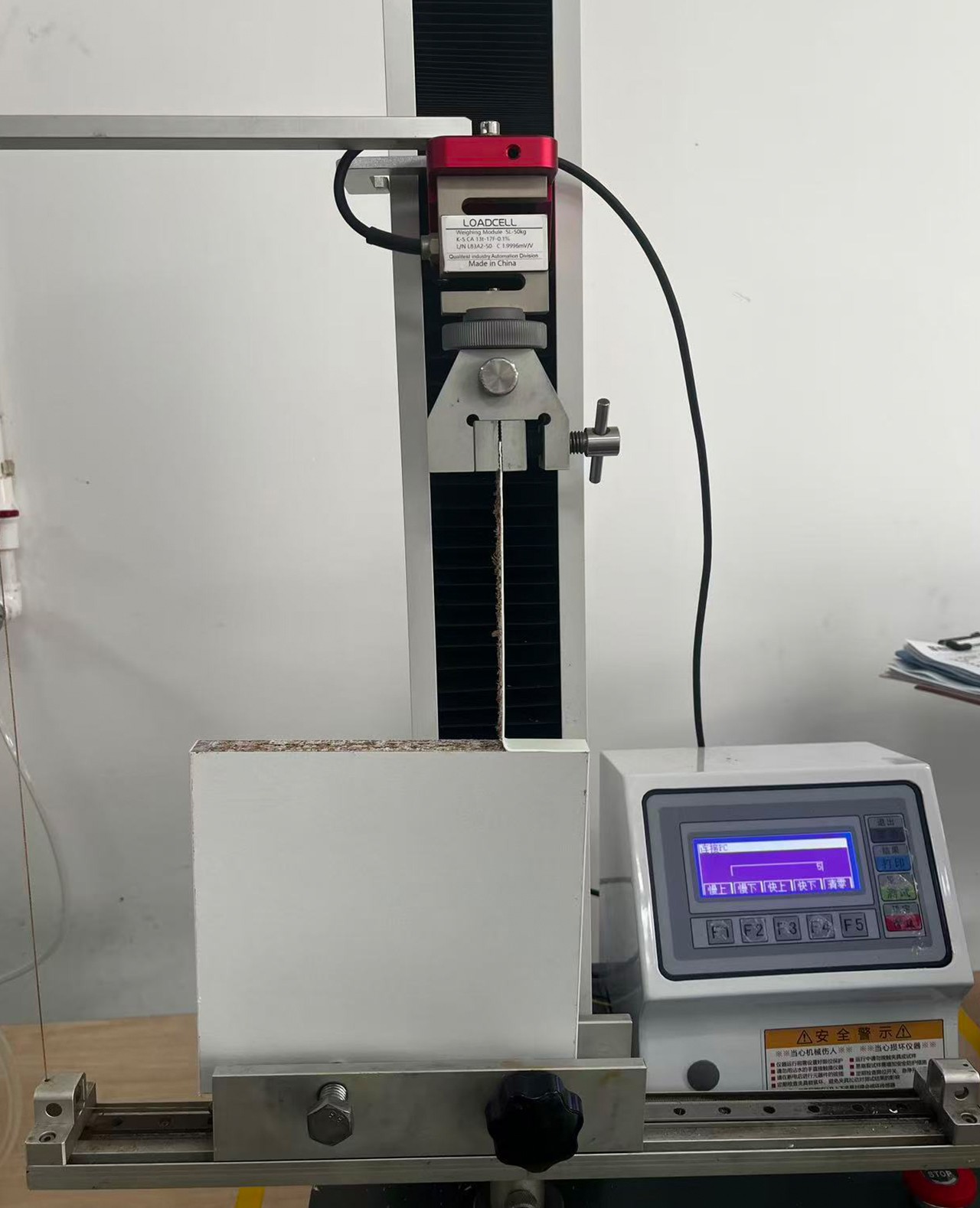
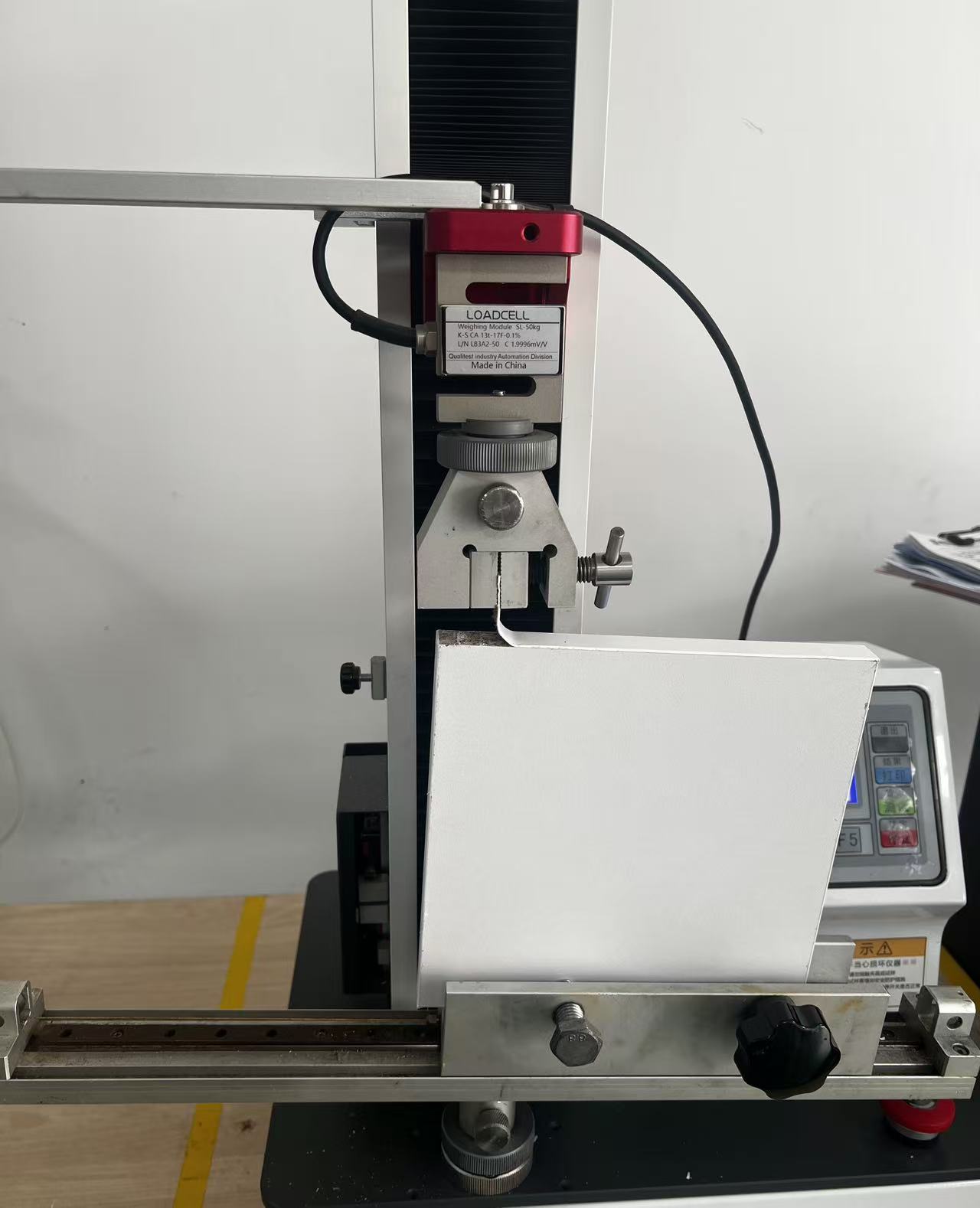
Common PUR Edge Banding Problems Caused by Incorrect Temperature
| Problem | Possible Temperature Cause |
|---|---|
| Weak edge bonding | Glue temperature too low |
| Glue line too thick | Poor glue flow at low temperature |
| Edge lifting after cooling | Premature curing from overheating |
| Glue carbonization | Excessively high tank temperature |
| Uneven glue coating | Temperature instability |
| False adhesion | Glue reacts before pressing |
How Confay Helps Improve PUR Edge Banding Performance
As a professional woodworking adhesive manufacturer, Confay Adhesive Technology (Guangdong) Co., Ltd. focuses on providing stable and high-performance PUR hot melt adhesive solutions for modern furniture manufacturing.
Our PUR edge banding adhesives are designed to offer:
Excellent bonding strength
Stable processing performance
Good thermal resistance
Strong moisture resistance
Clean edge finishing
Compatibility with high-speed edge banding machines
We also provide technical support to help factories optimize:
Glue temperature settings
Equipment compatibility
Production efficiency
Bonding stability
Application troubleshooting
Conclusion
In PUR edge banding applications, glue temperature directly determines bonding quality and production stability.
If the temperature is too low, the adhesive becomes thick and difficult to spread evenly. If the temperature is too high, premature curing and false bonding may occur.
The best condition is when the glue flows smoothly with stable and uniform stringing performance.
By understanding and controlling PUR adhesive temperature correctly, woodworking factories can significantly improve edge banding quality, reduce defects, and achieve more reliable production results.
For more professional PUR adhesive solutions and woodworking bonding support, visit Confay Adhesive Technology (Guangdong) Co., Ltd. Official Website.
FAQ About PUR Edge Banding Glue Temperature
What happens if PUR glue temperature is too low?
Low glue temperature increases viscosity and reduces flowability, resulting in weak bonding and uneven glue coating.
Can overheating PUR glue damage bonding quality?
Yes. Excessive temperature may cause premature reaction and curing, leading to false adhesion and poor durability.
How can operators quickly check PUR glue condition?
A simple stringing test can help. Properly heated PUR adhesive should create smooth, stable, and even glue strings.
Why is stable glue temperature important in edge banding?
Stable temperature ensures consistent adhesive performance, stronger bonding strength, and higher production efficiency.
Does PUR adhesive require special temperature control equipment?
Yes. Accurate heating systems and temperature monitoring devices are highly recommended for stable PUR processing.
