

PUR Adhesive Guide: Types, Uses, and How It Works
In the world of industrial manufacturing and woodworking, the quest for the perfect bond is endless. You need an adhesive that sets quickly yet provides a bond strong enough to last a lifetime. Enter PUR hot melt adhesive, a game-changing technology that bridges the gap between conventional hot melts and structural adhesives. If you are involved in lamination, assembly, or woodworking, understanding this material is no longer optional—it’s essential. This guide covers everything you need to know about PUR hot melt adhesive, from its chemical makeup to its vast industrial applications.
Understanding PUR Adhesive: The Basics
PUR adhesive, or Polyurethane Reactive adhesive, is a type of hot melt adhesive that has revolutionized the bonding industry. Unlike traditional glues that simply dry or cool, PUR adhesives undergo a chemical reaction to achieve their final strength .
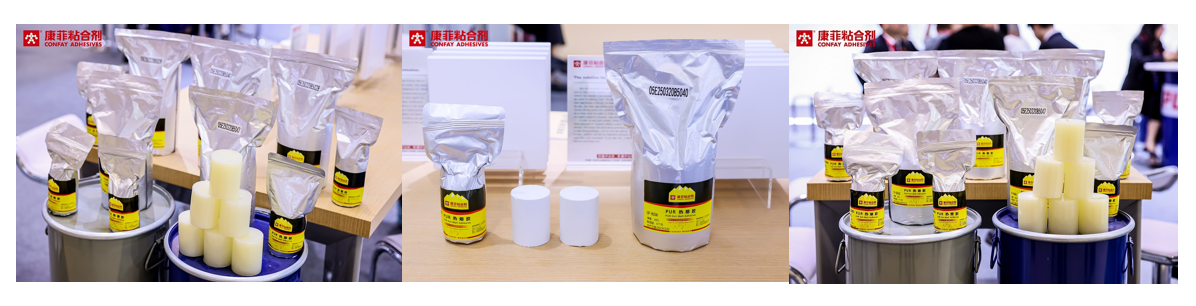
At room temperature, PUR hot melt adhesive is a solid. It is applied in a molten state, typically between 120°C and 160°C, depending on the formulation . Once applied to a substrate and mated with another surface, the adhesive cools and solidifies rapidly, providing what is known as "green strength" or initial handling strength. However, the process doesn't stop there. This is what makes it a Polyurethane reactive hot melt adhesive.
The "reactive" part of the name refers to its curing mechanism. The adhesive contains isocyanate (-NCO) end groups that are highly reactive. After application, these groups seek out moisture—either from the humidity in the air or from the substrate itself (like the water content in wood)—to trigger a cross-linking reaction . This reaction transforms the thermoplastic material into a thermoset polymer that cannot be remelted.
The Science: How Polyurethane Reactive Hot Melt Adhesive Works
To truly appreciate PUR hot melt adhesive, it helps to understand the two-stage curing process:
Physical Setting (Cooling): This is the initial phase. The adhesive is heated until it becomes a low-viscosity liquid. When it cools down to room temperature, it solidifies and forms an immediate, though not final, bond. This allows for rapid handling of assembled parts, often within seconds .
Chemical Cross-linking (Moisture Curing): This is the defining feature of Polyurethane reactive hot melt adhesive. The adhesive absorbs trace moisture from the environment or the substrate. This triggers a chemical reaction where the isocyanate groups react with water to form urea linkages and create a three-dimensional polymer network . This process typically takes 24 to 72 hours to complete, resulting in a bond that is incredibly resistant to heat, solvents, and moisture .
This dual-action mechanism means that manufacturers get the best of both worlds: the speed of a traditional hot melt adhesive and the high-performance durability of a structural adhesive.
Key Advantages of PUR Hot Melt Adhesive
Why are industries shifting from EVA or water-based adhesives to PUR hot melt adhesive? The benefits are substantial:
Exceptional Durability: Once fully cured, PUR adhesive forms a bond that is resistant to extreme temperatures (from -40°C to over 150°C), humidity, and chemicals . This makes it ideal for products that face harsh environments, such as automotive headlamps or exterior furniture .
High Bonding Strength: The chemical bond formed is often stronger than the substrates themselves. In woodworking, a proper joint with PUR hot melt adhesive will often result in the wood breaking before the glue line fails .
Versatility: It bonds exceptionally well to a wide variety of materials, including difficult surfaces like polycarbonate, acrylics, metals, ceramics, and coated papers .
Solvent-Free: PUR hot melt adhesive is 100% solid and contains no volatile organic compounds (VOCs). This makes it an environmentally friendly choice compared to solvent-based adhesives .
Low Application Temperature: Compared to traditional hot melt adhesive like EVA (which is applied at 160-180°C), PUR is applied at lower temperatures (120-150°C) . This reduces energy consumption and allows for bonding heat-sensitive materials without warping.
Common Applications Across Industries
The unique properties of PUR hot melt adhesive make it a versatile solution across multiple sectors:
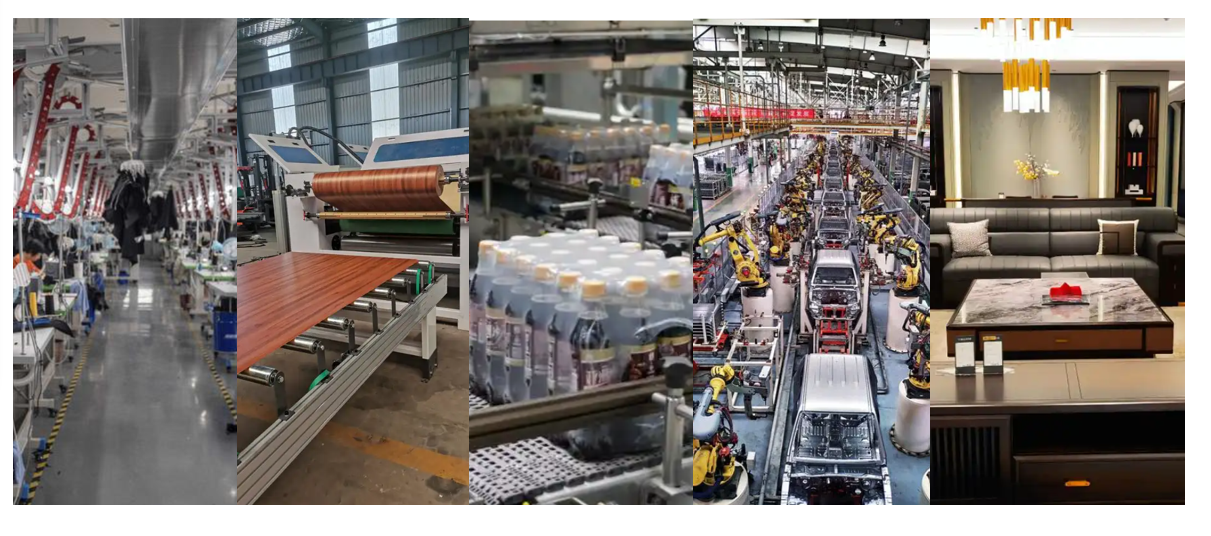
Woodworking and Furniture: This is one of the largest markets. PUR adhesive is used for veneer lamination, edge banding, and profile wrapping. Its lack of water prevents grain raising on wood, and its flexibility allows it to move with the wood as it expands and contracts with seasonal humidity changes .
Bookbinding: High-end books, manuals, and cookbooks use PUR hot melt adhesive for its superior "lay-flat" properties. Unlike EVA, PUR remains flexible and doesn't cause the book to snap shut, and it resists the oils found in printer inks that often cause other glues to fail .
Automotive and Electronics: In automotive manufacturing, Polyurethane reactive hot melt adhesive is used to bond headlamps and other components where resistance to vibration and temperature swings is critical . In electronics, it is used for bonding smartphone screens and frames due to its impact resistance .
Textiles and Footwear: In the textile industry, specialized formulations are used for laminating fabrics without making them stiff, maintaining breathability while ensuring a permanent bond .
Selecting a PUR Hot Melt Adhesive Factory
The quality of your bond is only as good as the quality of your adhesive. As demand for these products grows, finding a reliable PUR hot melt adhesive factory becomes a critical business decision. A reputable PUR hot melt adhesive manufacturer distinguishes itself through several factors:
Technical Expertise: Leading manufacturers invest heavily in R&D. They understand the complex kinetics of moisture curing and formulate adhesives for specific substrates and open times .
Production Capacity: The industry is scaling up rapidly. For instance, recent investments in the sector include a massive 50,000-ton-per-year digital factory by Confay, highlighting the move toward large-scale, consistent production capacity . When choosing a PUR hot melt adhesive factory, capacity and consistency are key.
Safety and Compliance: Modern PUR hot melt adhesive manufacturer focus on "Micro Emission" (ME) technologies to reduce free isocyanate monomers to below 0.1%, ensuring safer working conditions and compliance with strict regulations like REACH .
Customization: A good manufacturer doesn't just sell a product; they provide a solution. Whether you need a PUR hot melt adhesive with a long open time for complex assembly or a fast-setting one for high-speed production lines, the right partner will tailor the product to your machinery and output goals .
Challenges and Considerations
While PUR adhesive offers superior performance, it does come with specific handling requirements. Because it cures with moisture, care must be taken to prevent premature curing. Once a container is opened, the adhesive must be used or protected from atmospheric moisture. In industrial settings, application equipment often uses nitrogen or dried air to blanket the adhesive and prevent it from curing in the tank .
Furthermore, because it becomes a thermoset plastic once cured, equipment and spills must be cleaned before the adhesive reacts. Unlike standard hot melt adhesive, you cannot simply reheat and melt cured PUR adhesive .
The Future of PUR Adhesives
The market for PUR hot melt adhesive is expanding. Innovations include UV-hybrid systems that cure almost instantly when exposed to light, drastically reducing the time needed before parts can be moved to the next stage of production . As manufacturing moves toward lighter materials and multi-material assemblies (like bonding plastics to metals in electric vehicles), the role of the PUR hot melt adhesive manufacturer becomes increasingly strategic
Whether you are sourcing for a small joinery shop or a multinational assembly line, partnering with the right PUR hot melt adhesive factory ensures you have the technology and support to create products that are built to last.
Conclusion
From the pages of a hardcover book to the chassis of a luxury car, PUR adhesive works silently to hold our world together. Its unique ability to act as a fast-setting hot melt adhesive while evolving into a high-strength structural bond makes it indispensable. As you evaluate your bonding needs, consider the long-term benefits of switching to a Polyurethane reactive hot melt adhesive. By choosing an experienced PUR hot melt adhesive manufacturer, you invest not just in glue, but in the integrity and durability of your final product.
Have Any Adhesive Questions ? Please kindly feel free to contact us for more information.
More than 15 years of experience to answer your questions!
